Bring science to life with science virtual dissections, games and simulations that help students explore, experiment and build a deeper understanding of the world around them. This collection brings together engaging activities for biology teachers and science teachers in high schools, making it easier to create an interactive learning experience.
FREE Science Virtual Dissections
Purchase corresponding classroom worksheets with answers here.
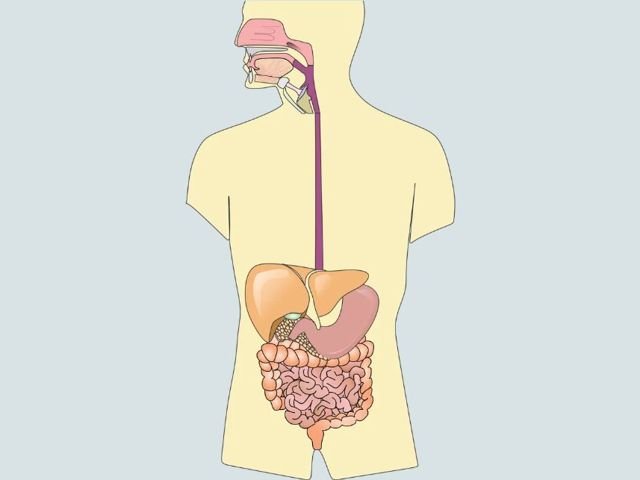
The Digestive System
Find the organs of the digestive system, dissect a stomach and zoom in on its tissues and specialised cells with a focusing microscope.
25 steps · about 45–55 minutes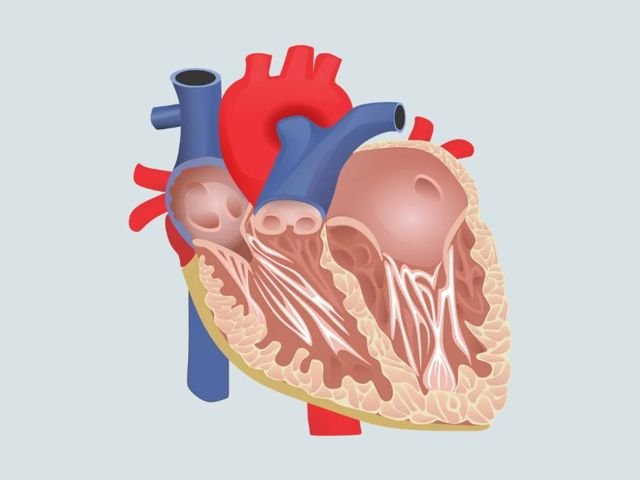
The Heart & Cardiovascular System
Dissect a heart: chambers, valves and vessels, the path of blood, wall thickness, blood under the microscope and a real pig heart.
28 steps · about 45–55 minutes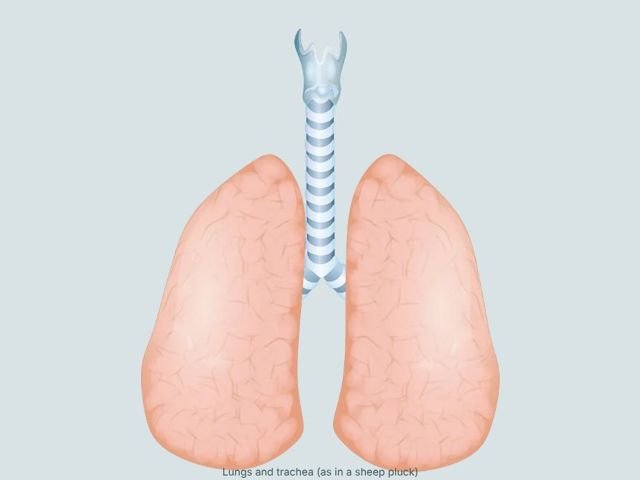
The Lungs & Respiratory System
Inflate a set of lungs, open the airways, float-test lung tissue and zoom in on alveoli, gas exchange and cilia.
24 steps · about 40–50 minutes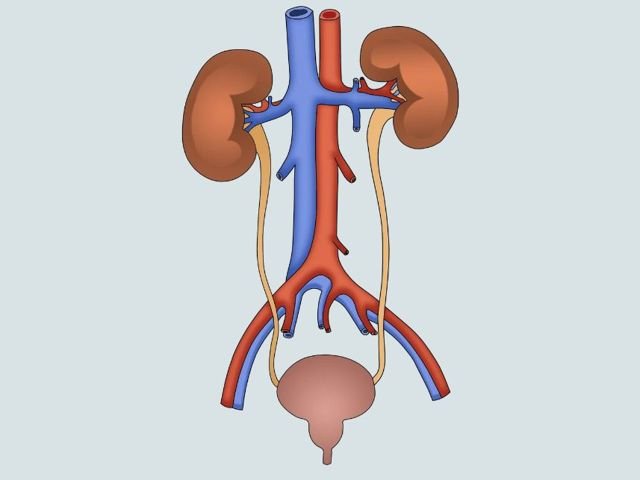
The Kidneys & Excretory System
Dissect a kidney, follow urea through a nephron and trace how wastes are filtered out and leave the body.
22 steps · about 40–50 minutes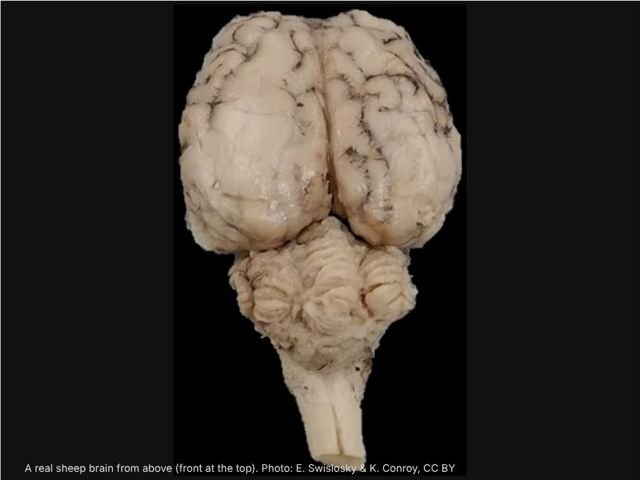
The Brain & Nervous System
Dissect a sheep brain, cut it in half, find the same parts on real sheep brain photos, then explore neurons and reflexes.
26 steps · about 45–55 minutes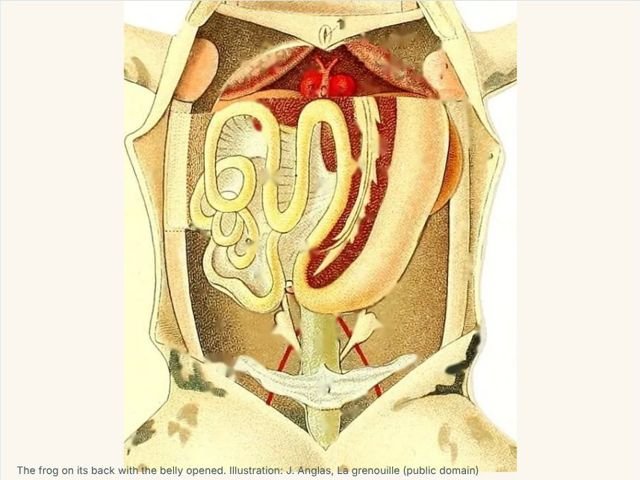
Frog Dissection
Dissect a frog: outside features, digestive, respiratory, circulatory, excretory and reproductive organs, plus real dissection photos.
24 steps · about 45–55 minutesThe labs are free. Printable worksheets and answer keys are available in The Animated Teacher TpT store.
After the labs: Organ Systems Summary worksheet
science virtual dissections
Explore anatomical structures, investigate the human body and discover how body systems work through virtual dissection labs and digital anatomy resources. A virtual frog dissection lets students examine frog anatomy and follow the dissection process at their own pace. Activities exploring other organisms, such as a fetal pig, can also help students compare anatomical structures and connect their learning across species.
Beyond the anatomy lab, virtual labs, interactive software and science games give students opportunities to test ideas, change variables and observe results. From investigating forces to exploring waves and biological processes, simulations help make abstract concepts visible and encourage students to ask questions.
Whether you’re planning a whole-class investigation, independent learning task or revision lesson before the bell rings, browse the collection to find free resources and interactive activities that make science more accessible, engaging and memorable.
You may also like my body systems resources.
What makes these virtual dissections different?
Students don’t just click on labels. They choose the right tool for each job and use it the way they would in a real lab:
- trace a cut along the dotted line with a scalpel or scissors
- lift and move organs aside with forceps
- press and hold to feel tissue or inflate a set of lungs
- turn the focus dial on a microscope to bring cells into view
- find the same structures again on photos of real specimens
Along the way they answer quick quizzes, put processes in order and sort organs into body systems. When they finish, they can print a certificate with a verification code, so you can check it is genuine.
The six science virtual dissections:
- Lab 1: The Digestive System. Follow food through the body, dissect a stomach and zoom in to its tissues and specialised cells. Get the worksheet.
- Lab 2: Heart Dissection. Find the chambers, valves and blood vessels, trace the path of blood and compare the heart walls. Get the worksheet.
- Lab 3: Lung Dissection. Inflate a set of lungs, open the airways, float-test lung tissue and explore gas exchange. Get the worksheet.
- Lab 4: Kidney Dissection. Peel off the fat, cut the kidney in half and follow urea through a nephron. Get the worksheet.
- Lab 5: Sheep Brain Dissection. Remove the dura mater, cut the brain in half and find each part on real sheep brain photos. Get the worksheet.
- Lab 6: Frog Dissection. Open a frog, move the organs aside to find what’s underneath, and compare a frog’s body with yours. Get the worksheet.
Who are the virtual dissections for?
The labs are written for Years 7–8 (Stage 4) science and match the NSW Science syllabus outcomes for cells, tissues, organs and body systems. They also suit middle school life science in grades 6–8 and are a useful revision tool for Year 9 and 10.
How teachers use them
- as an ethical, low-cost alternative to a real dissection
- to prepare students before a real dissection, so they know what to look for
- as a ready-to-go relief lesson or sub plan
- for students who are absent, or who choose not to take part in a real dissection
- as homework or revision before a test
Printable worksheets and answer keys
Each lab has a matching printable worksheet with Predict, lab questions and Reflect sections, plus a full answer key, in colour and in black and white. Students record their answers as they go: every worksheet question matches a “Worksheet” tag in the lab. You can find the worksheets for each lab, and a money-saving bundle of all six, in The Animated Teacher TpT store.
Frequently asked questions
Are the science virtual dissections really free? Yes. All six labs are free to use with your classes. The printable worksheets are sold separately.
Do students need an account? No. Students just open the page and start. Their progress is saved in their own browser, so they can come back to it later on the same device.
What devices do the science virtual dissections work on? Any up-to-date browser on a laptop, desktop, Chromebook or tablet. A bigger screen works best.
How long does each lab take? About 40–55 minutes, which is one lesson for most classes.
How do I check a student’s certificate? Open any lab in Teacher mode (use the Teacher mode link under the lab) and click “Verify a certificate”. Type in the code from the student’s certificate to check it.